Every competition year.
Every aircraft.
Every batch.
Arcis carries a living archive of its history: aircraft, competitions, leadership, and the people who built each iteration of the team. This record grows with every year.
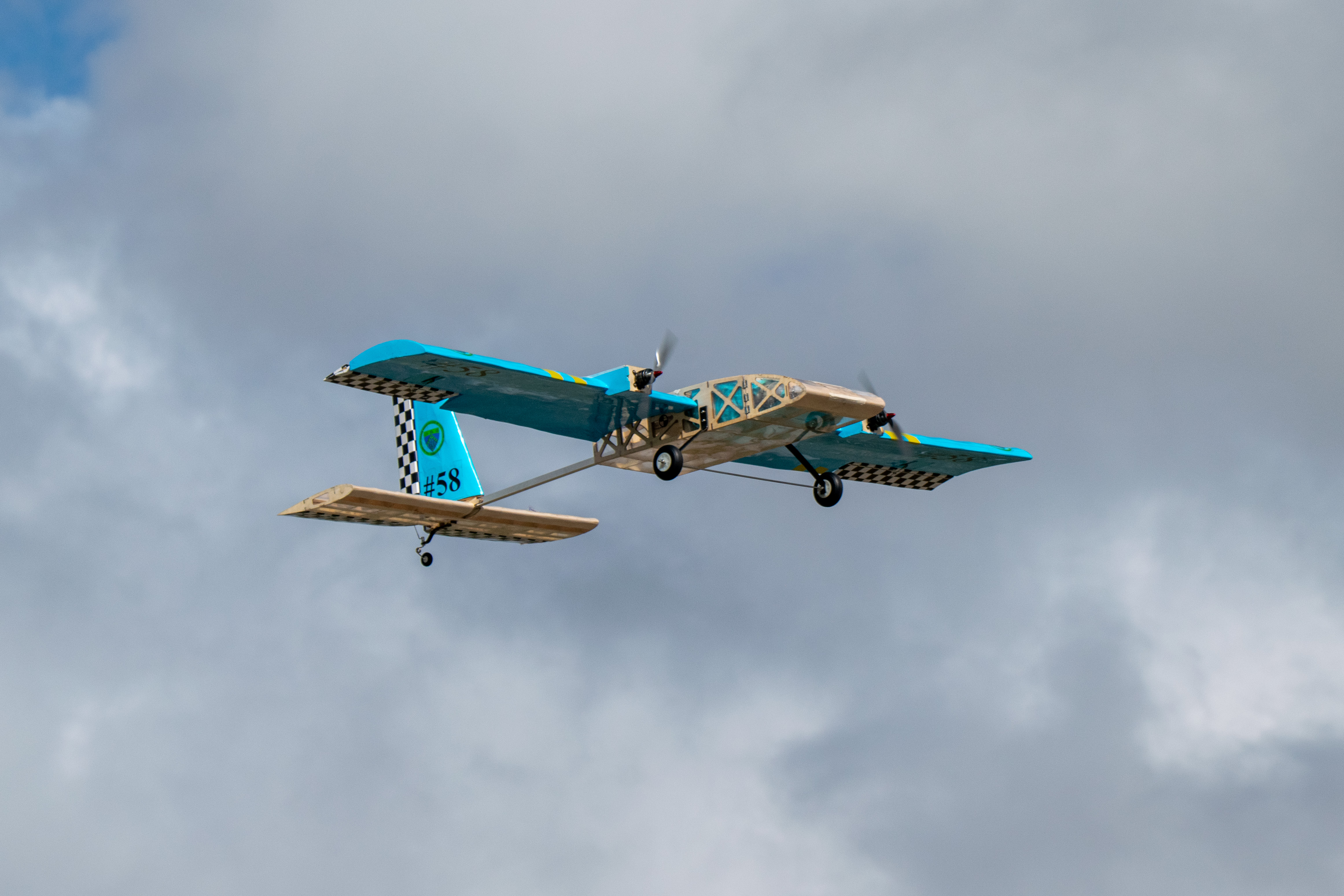
Vayu
The primary objective of this year is to design,
manufacture, and fly a multi-engine cargo aircraft powered by a single 4-cell
LiPo battery that maximizes payload capacity and safely enclosing
standard 2-liter plastic bottles.
Vayu is a twin-motor high lift aircraft with a payload fraction of 0.61.
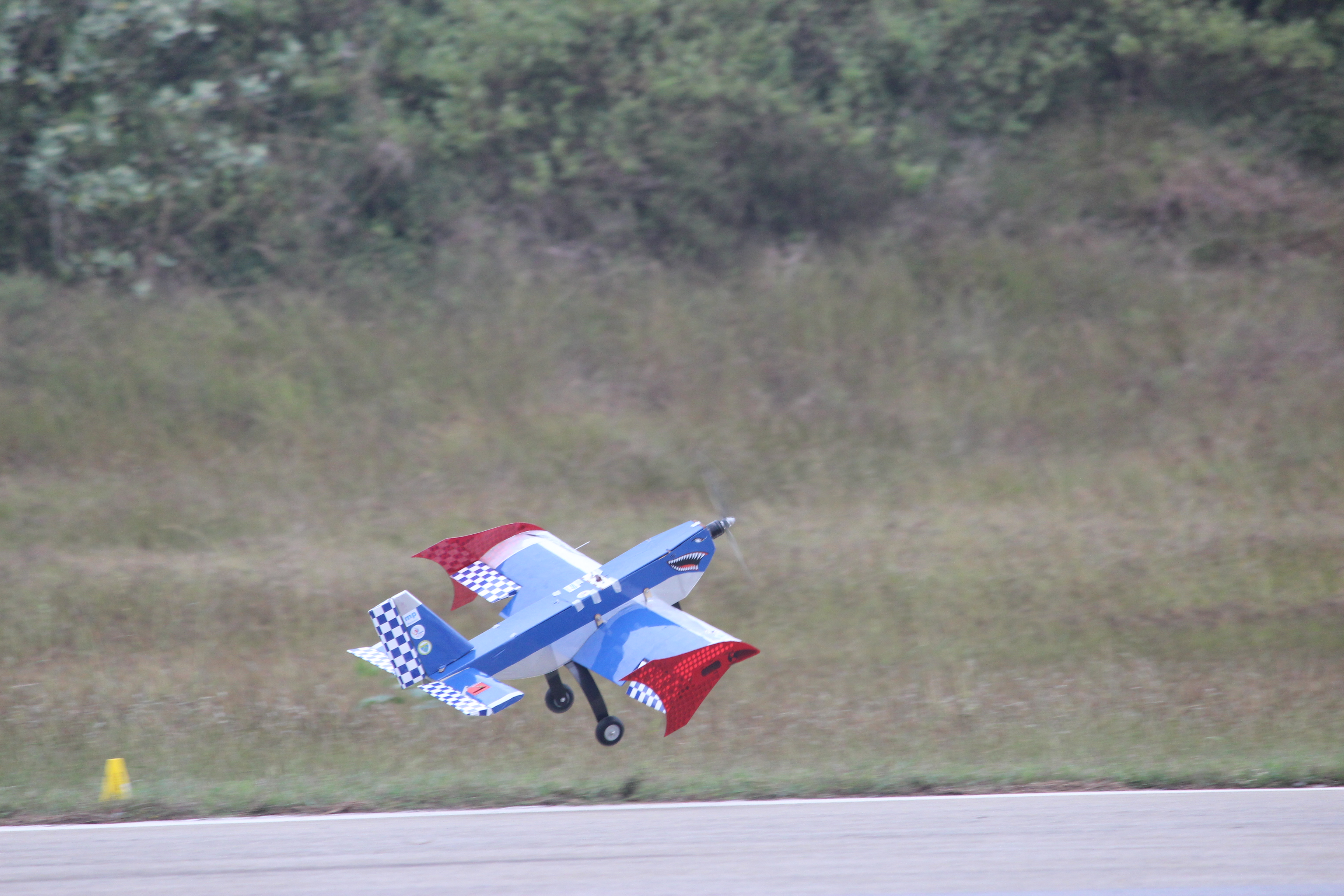
Theia
The objective of this year is to design, build, and fly an RC banner-towing bush plane further capable of executing a charter flight transporting passengers and cargo.
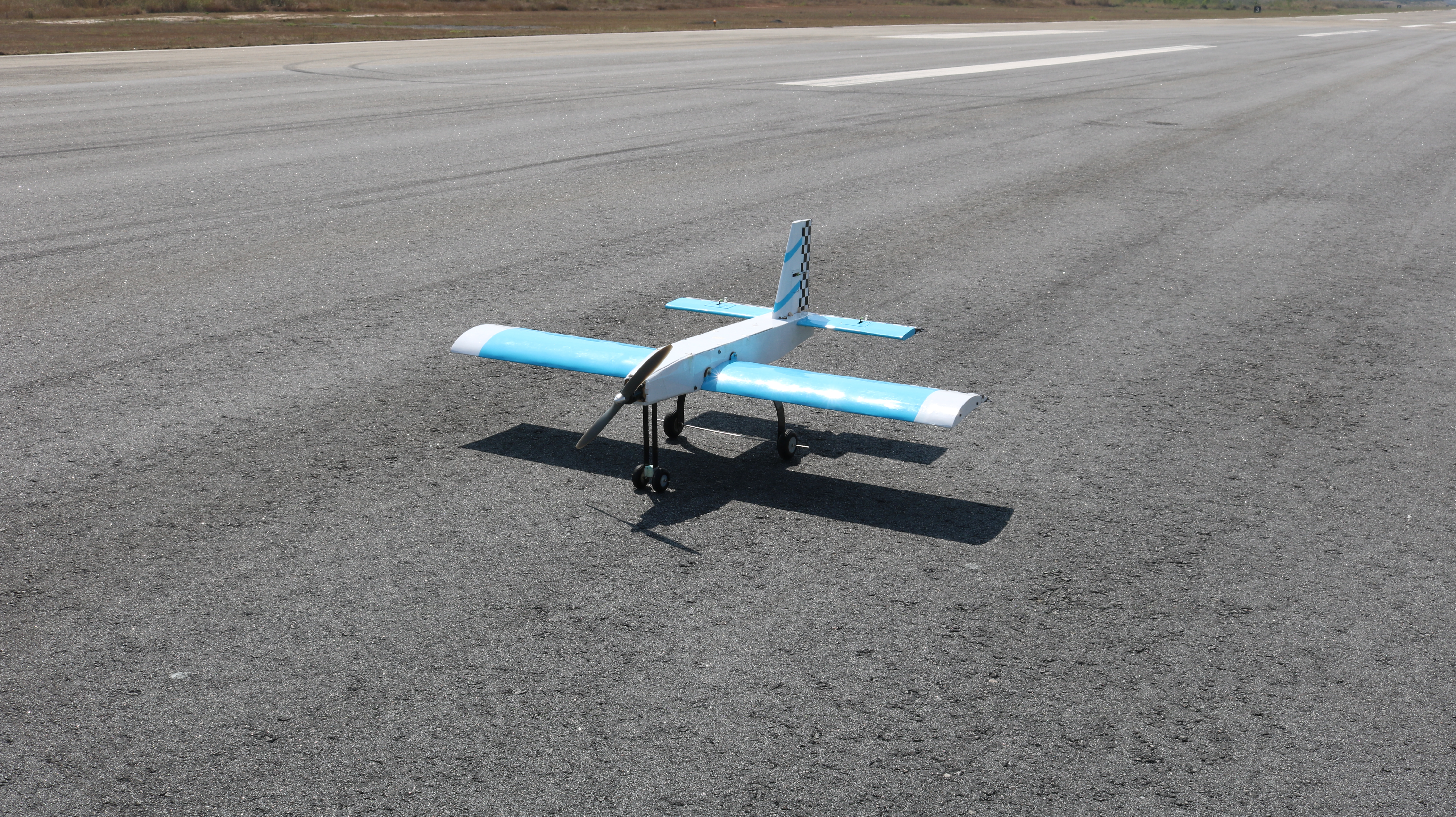
Athena
The primary objective of this year is inspired by the Bell X-1 supersonic flight program and was to design, build, and fly an RC primary carrier aircraft capable of carrying heavy wing-pylon-mounted structural payloads and successfully deploying an autonomous, glider mid-flight to land precisely within a designated bonus zone.
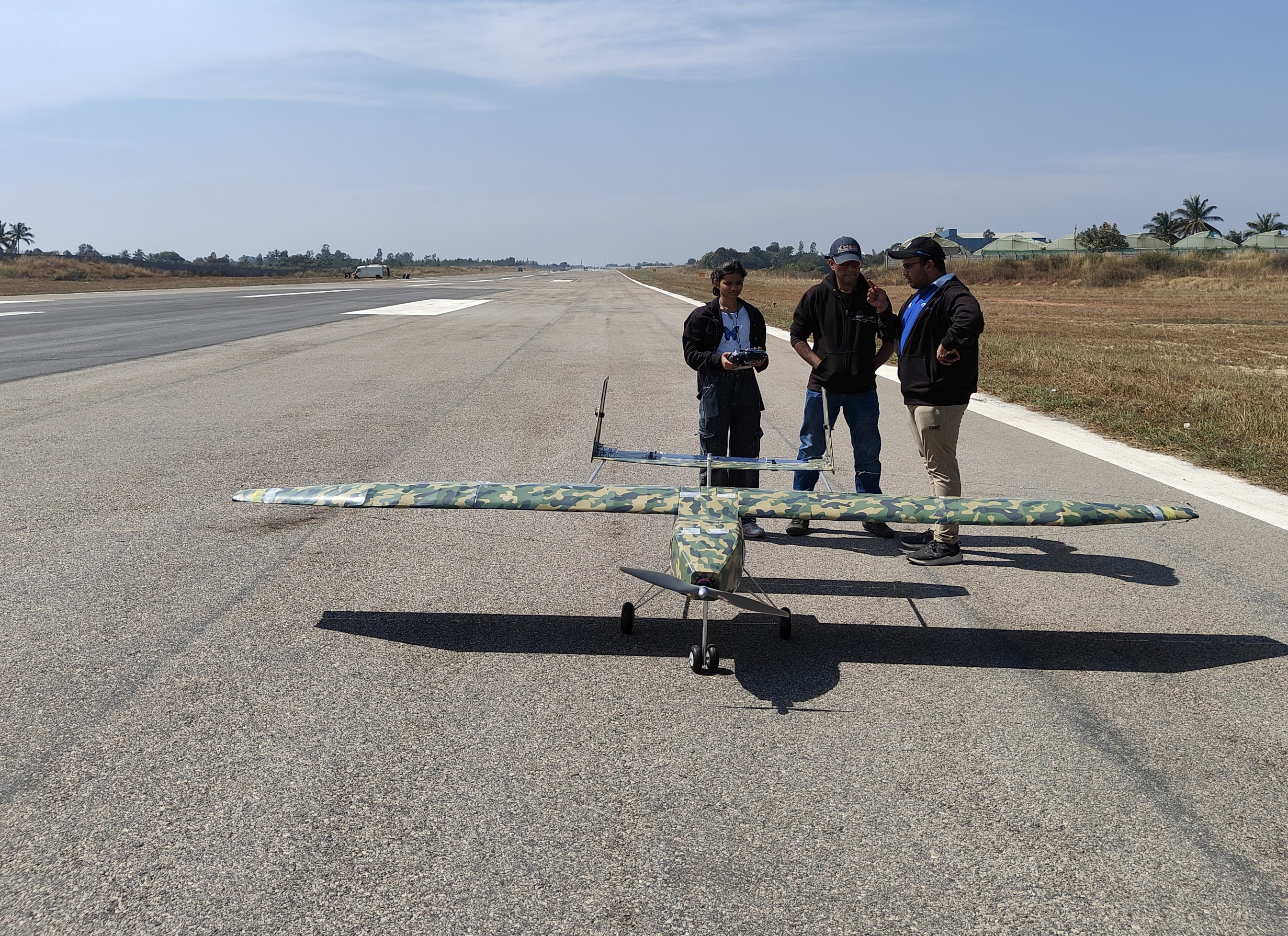
Marut
The primary objective of this year was to design, manufacture, and fly an electric-powered cargo aircraft that carried Regular Boxed Cargo internally in a single enclosed cargo bay within a runway limit.
Avalon
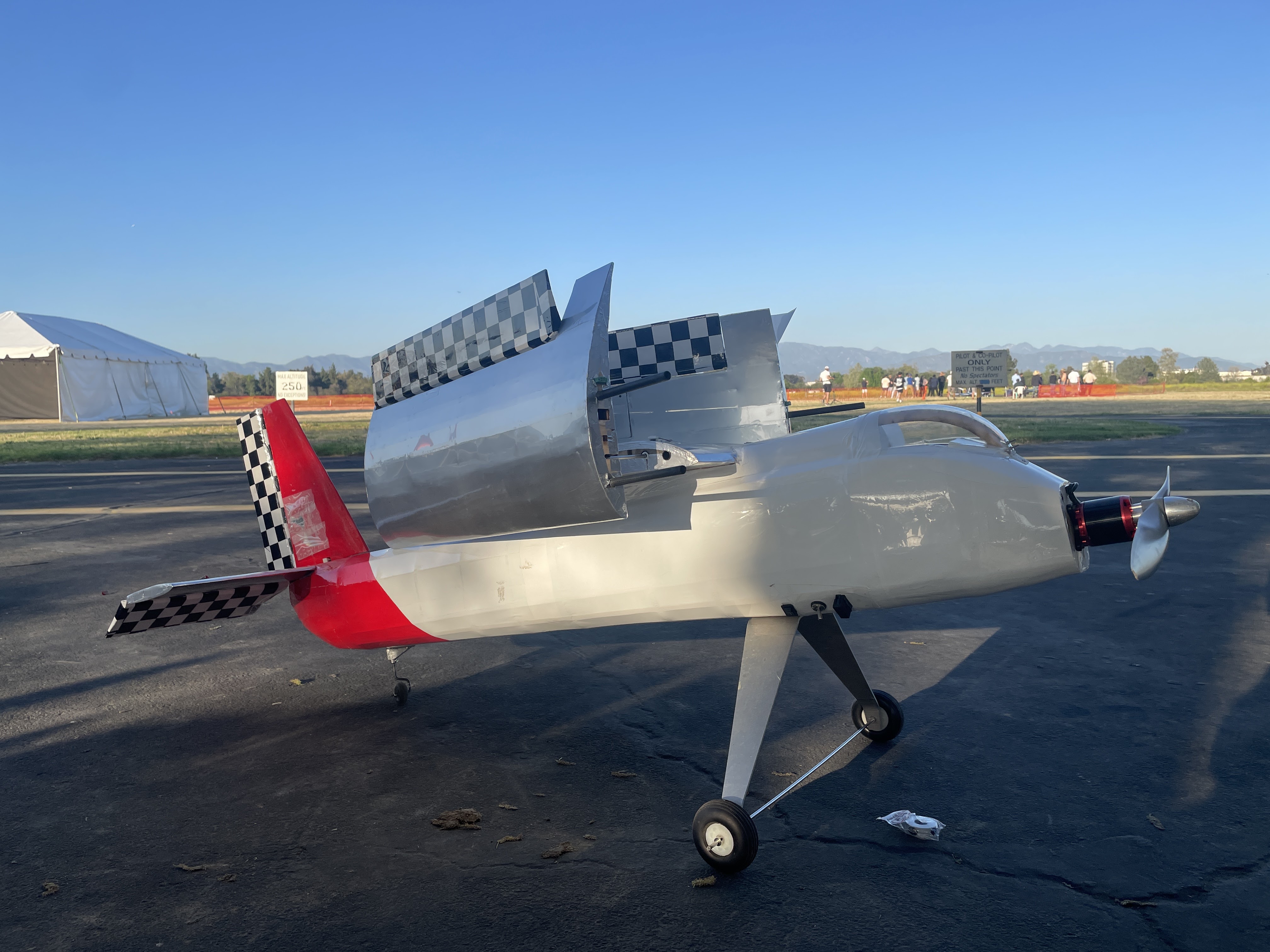
The 2024 AIAA DBF was themed around Urban Air Mobility (UAM). The objective was to design, manufacture, and fly an RC aircraft configured to fit a strict 2.5-foot parking space and execute a 20-foot short takeoff while carrying combinations of crew, flight passengers, and medical transport payload.
Lakshya
The humanitarian mission required the aircraft to carry a large number of syringes and environmentally sensitive vaccine vial packages while minimizing lap time. The aircraft also had to be equipped with subsystems to house the syringes and safely deploy the vial packages, and had to take off within 25 ft.
Primis
The objective was to develop an aircraft capable of deploying and retrieving an aerodynamically stable “sensor” mid-flight, and carrying a substantial number of containers for the sensors while maintaining high speed and safe operation.
SAE Aero Design — Micro Class
The objective of the SAE Aero Design 2021 Micro Class was to design and fly an aircraft capable of carrying delivery boxes and static payload while performing short takeoffs from a designated 8 ft raised platform. The focus on achieving a short time of flight made the challenge tougher this year.
SAE Aero Design — Regular Class
The objective of the Regular Class was to design an aircraft that could carry both regular cargo, represented by static plates, and outsized spherical cargo, represented by an unmodified size-5 soccer ball, using a short runway. The team aimed to accurately estimate the aircraft’s lifting capacity in every cargo configuration, and to build an aircraft that best met both the competition’s mission requirements and real-life situations.
SAE Aero Design — Micro Class
In line with the mission statement, the team designed a primary aircraft with a blended wing body to carry the maximum payload. The complete system, including the Colonist Delivery Aircraft and the releasable and static payloads, weighed 22.046 lb.
SAE Aero Design — Advanced Class
For 2020, the team set out to design an aircraft that met the competition’s constraints with an efficient, high-payload strategy, packed to fit within the aircraft system container so it could be widely procurable. The design was driven by the competition restrictions, which pushed the team towards innovative solutions, and was further optimized through analyses and testing to achieve favorable performance characteristics.
SAE Aero Design — Regular Class
The primary objective of the 2019 Regular Class was to design, manufacture, and fly an electric aircraft that could carry oversized cargo, represented by standard size-5 soccer balls, together with regular cargo represented by steel weights. The aircraft had to maximize carried payload while operating within strict wingspan, power, weight, and short-field limits.
SAE Aero Design — Regular Class
The primary objective of the 2018 Regular Class was to design, manufacture, and fly an all-electric aircraft that maximized total revenue by carrying the greatest practical number of tennis-ball passengers and luggage. The 2018 rules continued the passenger-and-luggage concept introduced in 2017, but added a new maximum wingspan limit of 144 inches.
SAE Aero Design — Regular Class
The 2017 Regular Class objective was to design, manufacture, and fly an all-electric aircraft that maximized total revenue by reliably carrying the greatest number of passengers and the most luggage, within limited power and dimensional constraints. This year the payload concept changed from simply maximizing mass to carrying tennis-ball passengers and luggage.
SAE Aero Design — Regular Class
The primary objective for 2016 was to design, manufacture, and fly a single-motor electric aircraft powered by a 6-cell (22.2 V) LiPo battery that maximizes payload capacity while operating under a mandatory 1000 W power limiter.
SAE Aero Design — Regular Class
The primary objective for 2015 was to design, manufacture, and fly a single-motor electric aircraft powered by a 6-cell (22.2 V) LiPo battery that maximizes payload capacity while operating under a strict 1000 W power limiter.
SAE Aero Design — Regular Class
The primary objective for the 2014 Regular Class was to design, manufacture, and fly a fixed-wing aircraft powered by a single electric motor (≤1000 W) that maximizes payload capacity while complying with strict dimensional and system constraints.